Mrs Hodgson’s war

Tim Marshall, whose family I wrote about last year has introduced me to another family who lived on Buckhurst Avenue in Sevenoaks, the Hodgsons. The 1911 census shows head of the family, John Watson Hodgson (1849-1919) a general labourer employed by the Urban District Council, and his wife, Eliza Thirza Hodgson (1864-1949) living at 7, Buckhurst Avenue with their three sons: John Watson (22) and Charles Joseph (18) who are both working as dairymen, and their brother Ernest William (13) who is at school.
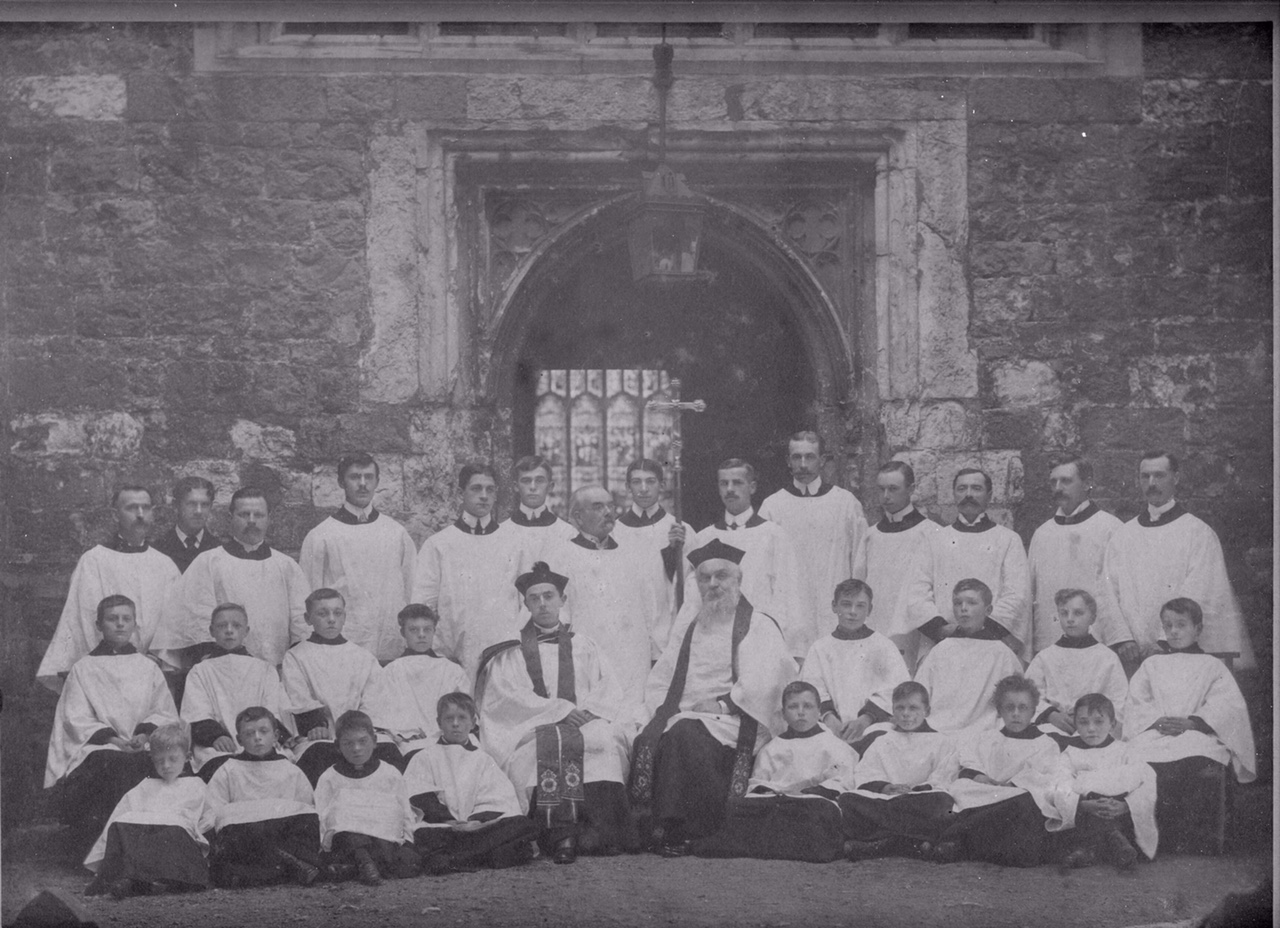
chior 2 grey227Ernest, sat front far right and Charles, sat next to Rev Curteis, St Nicholas church

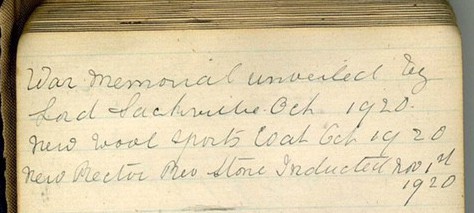
Eliza Watson kept a notebook throughout the war. More a commonplace book than a diary it records the events of family life and information about her sons when they were in the army. It also includes notable events such as the death of people she knew, such as neighbour Percy Hayward who was killed in 1915 and is remembered on the town war memorial, to the unveiling of the memorial itself in 1920.

IMG_2277

Hodgesob 1914 -1918 Diary 21254

Extracts from Eliza’s diary

All three sons served with the forces during the war, Ernest with the Household Battalion Life Guards,  Charles with the Royal Engineers and John with the Middlesex Regiment.
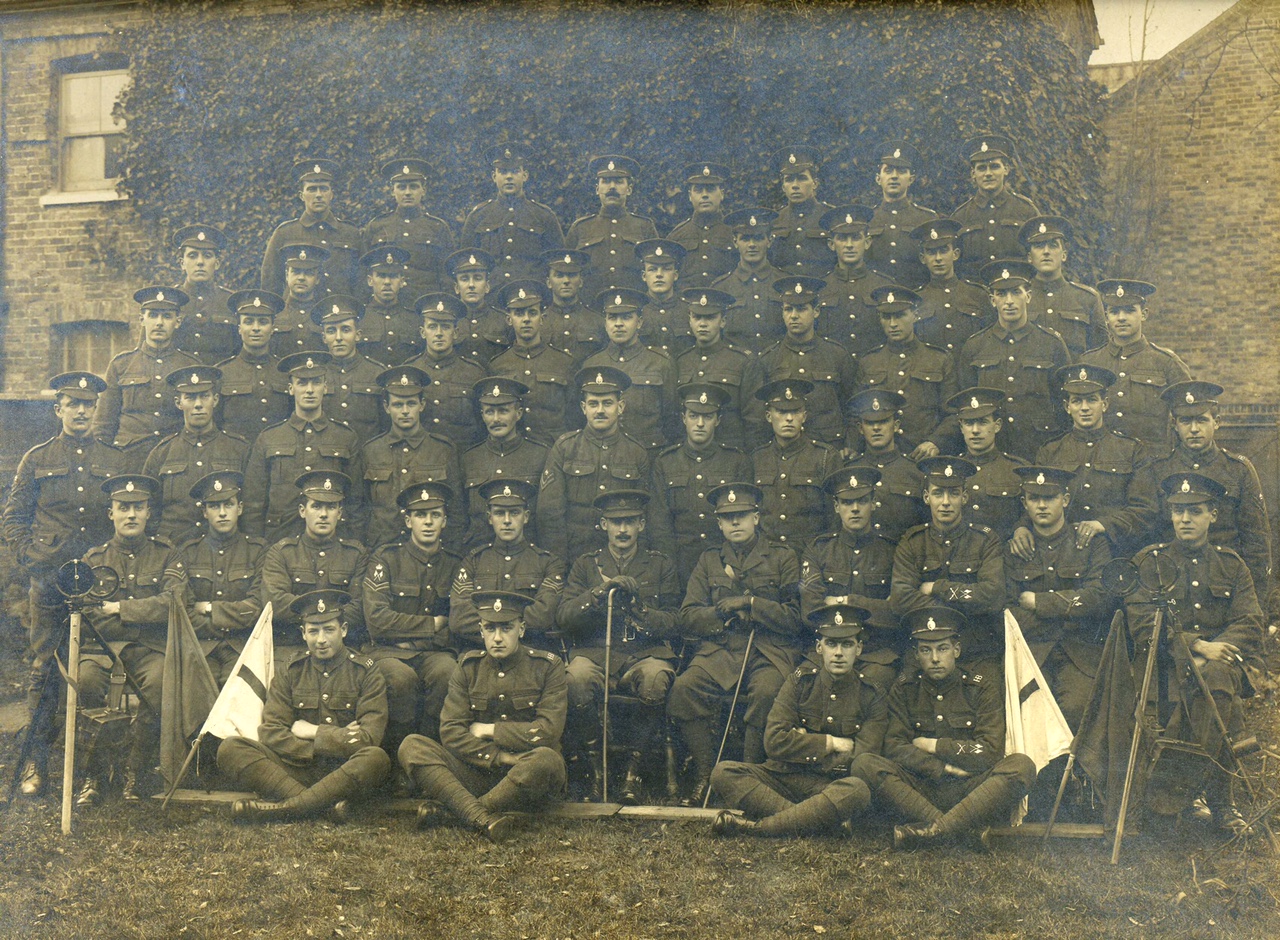
wwi army 1221Ernest Hodgson, 3rd row down, 5th from right

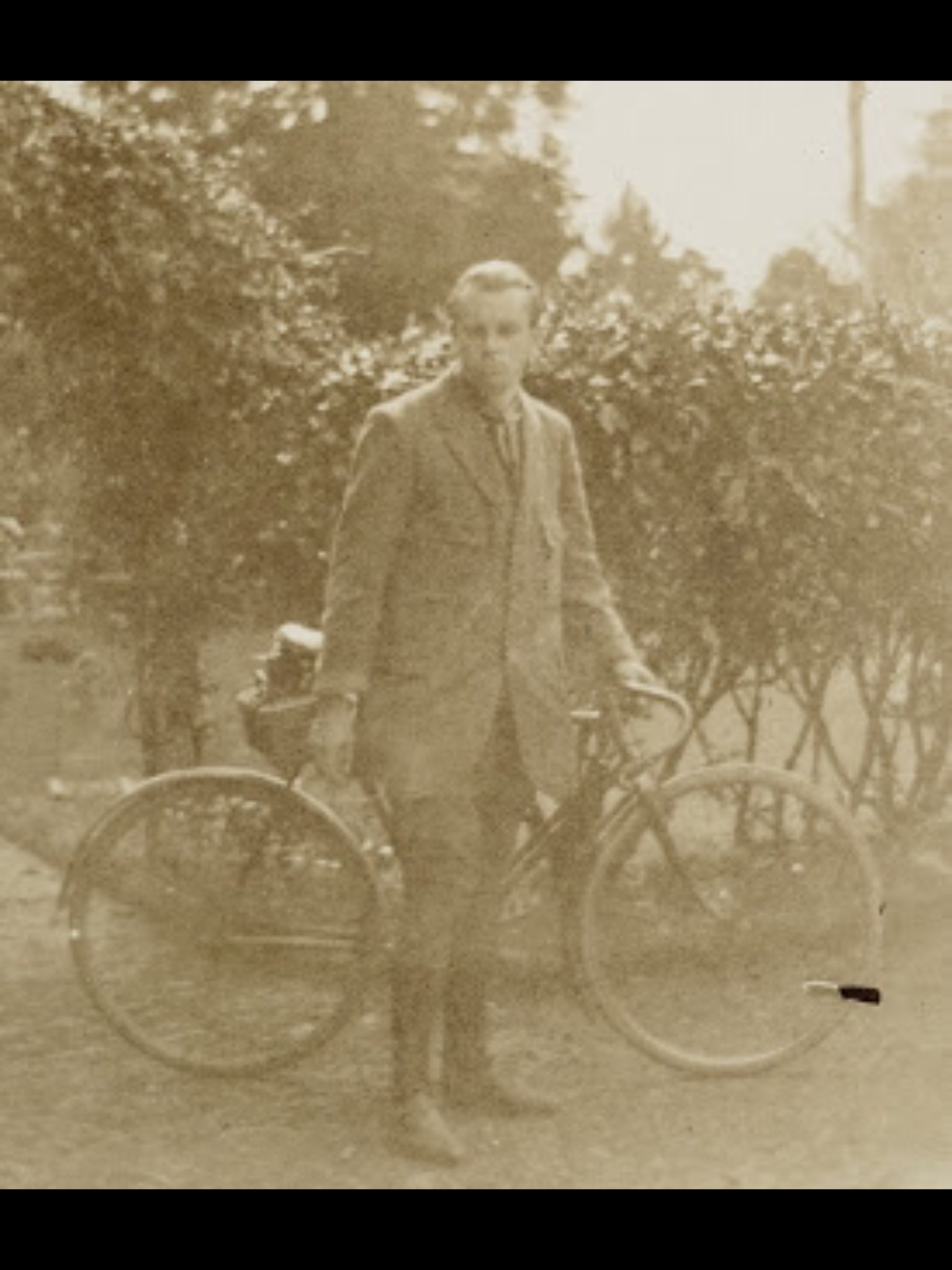
By the time of his enlistment, Ernest had become a printer, employed by local firm J. Salmon of Sevenoaks. He sustained a gun shot wound to his right arm in May 1917 and was wounded again in October 1918.
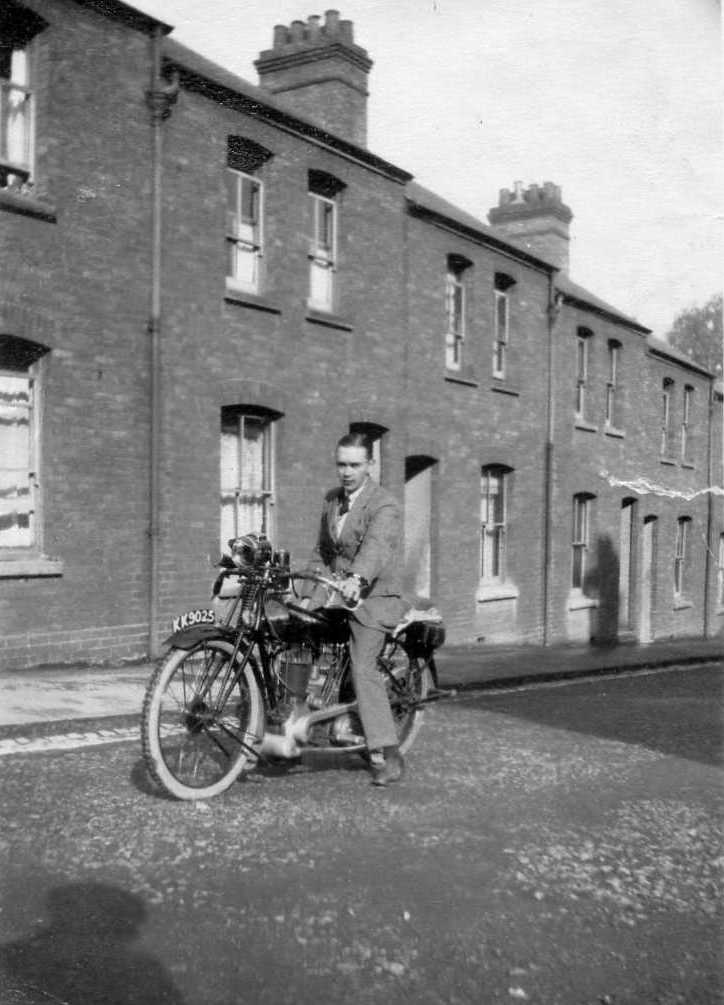
Ernest & Mototorcycle Buckhurst Ave grey231 trimErnest Hodgson in Buckhurst Avenue, Sevenoaks

John Watson senior appears to have suffered from poor health toward the end of his life and his son John appeared before the military tribunal to seek exemption in 1916 because, as the Sevenoaks Chronicle recorded, his two brothers had joined up and ‘his mother being weak had to give occasional attention to his bed-ridden father’. The paper noted that the tribunal treated him favourably, causing John to exclaim “I thank you gentlemen”, in a manner that conveyed the idea that the result was very favourable.

Trial of a deserter

Eliza Hodgson also featured in the local papers during the war but for very different reasons, being a key witness in the trial of a deserter, an event she noted in her diary. Both the Chronicle and the Kent Messenger reported the trial of William Ross, a private in the Royal Sussex Regiment. Ross was accused of stealing from a Mrs Nellie Flegg of Seal and of Eliza Hodgson in April 1917.

At the initial hearing before the court in Sevenoaks, Ross was accused by Eliza Hodgson, who stated that he had called upon her and asked that he be put up for four days, saying that he had four days leave in order to visit a wounded pal in the Cornwall Hall hospital. He told her that he had been wounded in the Dardanelles and in France. According to the paper

She allowed him to stay and he left without returning, after asking her to get her bill ready by the time he came back. She afterwards missed a silver watch chain, and on a visit to the Police Station, identified a gold ring and Treasury note case, which were there as her property. She had also missed some cap badges and soldiers’ buttons.

Hodgesob 1914 -1918 Diary 9242Eliza Hodgson referred to the incident in her diary

Ross had then made his way to Seal where he had sought lodging with Mrs Nellie Flegg. Mrs Flegg gave evidence that Ross had told her he was with the Army Service Corps and had come from Bromley to Seal to ‘be with his young lady’, According to the news report

At his request she allowed him to remain two days, and he had several meals there. When he disappeared, the money was missing from the mantelpiece.

After the police were alerted, he was apprehended in a general shop on the Otford Road. Ross told the police that he belonged to the ASC and was stationed at Bromley, stating “I left there yesterday morning and have no pals“. Taken by the police back to Seal he managed to escape for a short while before he was captured and identified by Mrs Flegg, explaining his attempted escape by saying “I thought I had a good sporting chance of getting away”. Once in custody he admitted that he was not a corporal despite wearing corporal’s stripes and two gold wound stripes on his sleeves. At the hearing

Ross made a statement on oath that he joined 14th Battalion Royal Sussex Regiment when it was first formed and went through the usual training, until they reached a depot at Codford. A draft of 300 men was there asked for to make up the 11th and 12th battalions of Royal Sussex. In the hopes of getting across the sea quicker he volunteered for that draft and was sent to 12th battalion at Witney. With that battalion he went through further training and “at the critical moment of the Brigade ordered overseas the hut he was in was “taken with measles”. After isolation he found himself left with others on details. This disheartened him. He eventually found himself back with 14th Battalion, tried hard by volunteering for various drafts, but was not fit. He then lost heart and deserted.

William Ross was remanded in custody and sent for trial at the West Kent Quarter Sessions in Maidstone where he pleaded guilty to the four charges of stealing and incurring debts under false pretences. Ross admitted other offences. The Chronicle reported that

Prisoner now asked to be handed over to the Military Authorities so that he might be sent to France but he was sentenced to six months’ hard labour, the court leaving it to the Military Authorities to take what steps they might deem advisable.

What became of William Ross is unknown but all three Hodgson brothers survived the war. John Hodgson senior died in 1919, while his widow lived on until 1949. John and Eliza are buried, together with some of their children who had once sung in the church choir, in the graveyard at St Nicholas.

Conscription Cases – Sevenoaks Men at the West Kent Tribunal

After the introduction of conscription in 1916, men between the ages of 18 and 41 became eligible for military service. A network of Military Service Tribunals were established to hear the cases of men who wished to be exempted from being called up. Although approximately 2000 tribunals operated across the country, few records survive, which is why the records of proceedings as reported in local papers are invaluable. Some men appealing were conscientious objectors, while others were seeking exemptions because they worked on the land, cared for family members or worked in reserved occupations.

Members of the Tribunal were usually drawn from the ranks of the middle classes who would hear each case before deciding on its merits. The person appealing could be represented by a solicitor or even a relative or employer and both the applicant and military representative had the right of appeal to a further tribunal. The Kent Messenger reported that nearly twenty cases from the Sevenoaks division came before the West Kent Appeal Tribunal in Maidstone in November 1916. These cases were appeals against prior decisions at a local tribunal.

The Messenger noted that the panel included Earl Amherst and Sir Mark Collet and detailed a number of the cases concerning residents from Sevenoaks from all walks of life. From orchid growers and veterans of the Boer War, to one man who was subsequently killed in action and remembered on the Sevenoaks war memorial, the Messenger reported their cases, some of which caused some laughter at the time.

imageHow the Kent Messenger reported on the Tribunal

Charles Digby Robertson, 40, of the Rose and Crown Hotel, who was represented by Mr Brennan asked for time in which the wife could be educated in conducting the business. Appellant, who quite recognised that he would have to join the army, had only been at the hotel about a year and previously he kept a public house at Wrotham.

Thinking the wife must already have squired some experience, the appeal was dismissed, but directions given that Mr Robertson should not be called up before December 15th.

The tribunal dismissed the appeal of Caleb Newman, 39, of the Greyhound Hotel, Sevenoaks, but in order that he may arrange his affairs, they directed that he should not be called up for a month. Mr H J Brader, who represented the appellant, elicited that he was classified B1, that he served in the South African War, receiving the medal and five clasps, and afterwards remained in the South Africa Mounted Police for three years.

The case of John William Terry, 18, working for his father, a Sevenoaks farrier, was dismissed, although the Local Tribunal (had) described it as ‘a hard case’. It was stated that eight blacksmiths had left Sevenoaks for the army and munition work, and that Mr Terry’s other son, having joined the colours he took this lad from the butchering trade to assist him in the farrier’s shop.

Robert James Buckle, single, orchid grower for Mr Phillips, Sevenoaks, was represented by Mr Knight, who called in question appellants ability to serve in C1, to which class he had been allocated. He produced a certificate from a local doctor, showing that for sixteen years he had suffered from varicose veins, which were very bad now. The panel declined an invitation to view the appellants legs for themselves and dismissed the appeal, stating that while it was true C1 men were being called up, he would undergo another medical examination on joining the colours.

Mr M Blake sought exemption for his cowman, Albert Elvy, 32, single, Dunton Green, and said if the man left he should be compelled to reduce his herd. He stated, in answer to questions, that he did not think it right to ask ladies to do continuous milking, and to laughter said that one he did employ was kicked by a cow, and would not come again!

Bert Wallis, was appealed for by his father, a builder in Sevenoaks. The Local Tribunal had suggested that Mr Wallis snr and with his clerk could manage the business, but this Mr Wallis denied, saying it was quite impossible for the clerk to do the work of his son, which included the preparing of estimates, and getting out quantities etc. Already eight of his employees had joined the army. This case also saw an exchange which provoked some laughter

Sir John Matthews: How many builders are there in Sevenoaks?

Mr Wallis: Oh! The place is eaten up with them

Sir John: Why don’t the builders of Sevenoaks cooperate then?

Mr Wallis: We are too much at variance for that!

Percy John French, single, a hairdresser, Sevenoaks, asked for a few months’ respite so that in the meantime he could give further training to his brother, who could then carry on the business while he was away. It transpired that this brother was originally apprenticed to the business, and after serving for some time, he joined the army, but was discharged ten months ago and had since been assisting in the work of the barber’s shop. The Tribunal declined to interfere with the decision of the Local Tribunal beyond directing that appellant should not be called up for a fortnight.

Mr House, defending stated that he understood that the commanding officer of the Essex Yeomanry, who was stationed near Sevenoaks, was willing to take appellant as regimental barber, which would allow him the opportunity of keeping eye on his own business. The Chairman said that they could not do anything in that direction.

Ernest George Palmer, 32, caterer, of 98, High Street, Sevenoaks, caused some amusement by the way he referred to his wife. Asked if he was married he replied in the affirmative and then enquiry was made as to his children, he said that he had none, adding ‘I have a large wife and a small family!’

The Chairman: I thought that you said you had no children

Mr Palmer: No, I have not. Palmer went on to state that although he was originally rejected, he had now been passed for general service, notwithstanding the fact that he was deaf in one ear.

The chairman: Could not your wife manage this catering business?

Appellant said that he did not think so, as a man was required, seeing there were many soldiers about and they had already had trouble with them. He added, to laughter:

You see my wife cannot get about as quick as the soldiers!

The Tribunal dismissed his appeal but gave instructions that he should not be called up before December 31st.

The Messenger also reported some cases heard in the Sevenoaks Urban Tribunal whose members included the Chair, J.F. Carnell (whose brother, Francis George Carnell was killed at Gallipoli and is remembered on the Sevenoaks war memorial) along with Frank Robinson (whose son Frank and nephew, Herbert Lethebe are also remembered on the town memorial).

W A Taylor, of Varennes Lodge, South Park, organist at St Luke’s, and music teacher at the Beacon Schools, said he was 41 years of age on June 24th, the day appointed by the military authorities in fixing the age limit. Had he been born an hour earlier he would have been exempt (laughter). The application was refused on the understanding that Mr Johnson would write to the recruiting officer asking him not to call upon Mr Taylor before the end of the school term.

Mr De Barri Crawshay, of Rosefield, Sevenoaks, applied for his son, Lionel Crawshay and said that he (the father) was appointed transport officer to the VAD hospitals in 1915, when here were eight hospitals with 244 beds. The number had now increased to ten hospitals and 400 beds. The son was his chief assistant. He also appealed on the grounds of his son’s ill health, but it was stated that he had been passed for general service. One month was allowed but the Tribunal, while appreciating the service thus rendered, were of the opinion that an older man could do the work.

imageLionel Henry De Barri Crawshay

Lionel Crawshay subsequently enlisted in Maidstone on 28th December 1916, first with the Reserve Battalion of the 2nd Life Guards at Windsor, later transferring to 2/4th Battalion, The Queen’s Royal West Surrey Regiment. Crawshay was later one of fifty men selected to be sent to Egypt, with a view to receiving his commission. He was sent initially to France, spending a few days in a rest camp before embarking for Egypt on board the hired transport ship the SS Transylvania. The Transylvania was sunk by a torpedo on 4th May. Lionel, along with 400 others, drowned. His body was recovered and he was buried in the Savona Town Cemetery, which contains the graves of many of those who drowned with him.


Jack Marshall – saved by his pocket watch

Earlier this year, I was pleased to hear from Tim Marshall. Tim is a Great Nephew of George Marshall, one of the fallen of Sevenoaks of the First World War and one of several of the men who had lived on Buckhurst Avenue in the centre of the town. George Marshall had emigrated to Australia in 1912 with his friend Arnold Jarvis. Both had previously been pupils at the Lady Boswell’s school and sailed for a new life together on board the Ionie. Another Sevenoaks ANZAC, Kenrid Davey, was also on board and I wonder if they were known to each other. George Marshall died from wounds sustained, according to a report in the Sevenoaks Chronicle of 27 July 1917 by

…the accidental bursting of a bomb. Deceased, who left Sevenoaks for Australia about five years ago, joined the Imperial Force last year. In April last, he was married at Kensington and afterwards spent some days in Sevenoaks. Private Marshall is a brother-in-law of Mrs Marshall, whose husband is with the colours in Mesopotamia. Another brother of Private Marshall’s is serving in France whilst Mrs Marshall has seven brothers in the army, the eldest of whom has been a prisoner of war in Germany since the battle of Mons, in which he was wounded.

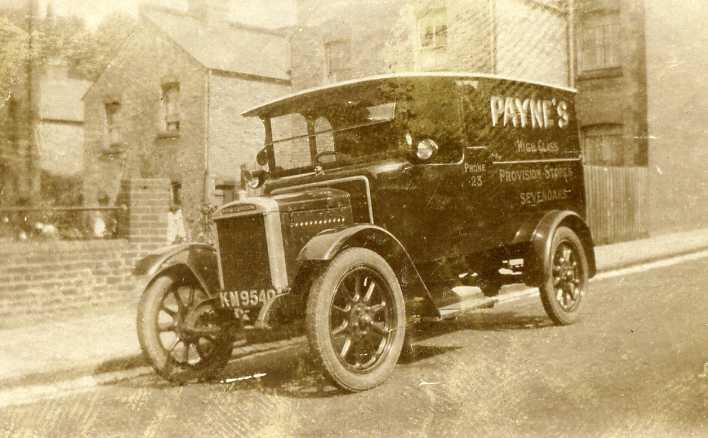
Tim Marshall’s grandfather, Harry, was one of the brothers mentioned, serving with the Army Service Corps in Mesopotamia. Harry, who before the war had worked for E.J. Payne, a grocer (now the site of the Sun Do restaurant), was himself mentioned in the Chronicle when he was hospitalised as a result of an accident, later making a full recovery. Harry served as a Verger at St Nicholas church and died in 1937 aged 58.

imageHarry’s delivery van, parked in Buckhurst Avenue

The other brother mentioned in George’s obituary, John, known as Jack, was 29 and working as a gardener at the Royal Crown Hotel in Sevenoaks, when he enlisted in December 1915. He served with the Royal West Kents

Jack was wounded in early 1918 and invalided home to England to recover before returning to action. Later in the August, the Sevenoaks Chronicle carried a news report detailing how Jack had again been wounded. As the paper noted,

This is the second time that he has been wounded and but for a remarkable circumstance his wound on this occasion would undoubtedly have been fatal. It appears that in returning to France, after recovering from his previous wound, he purchased a watch at Folkestone, which he was wearing when struck for a second time.The bullet passed clean through the watch, which broke its force, before it entered his body, and so saved his life. It is also a notable coincidence that the second wound was exactly on the same spot as the first.

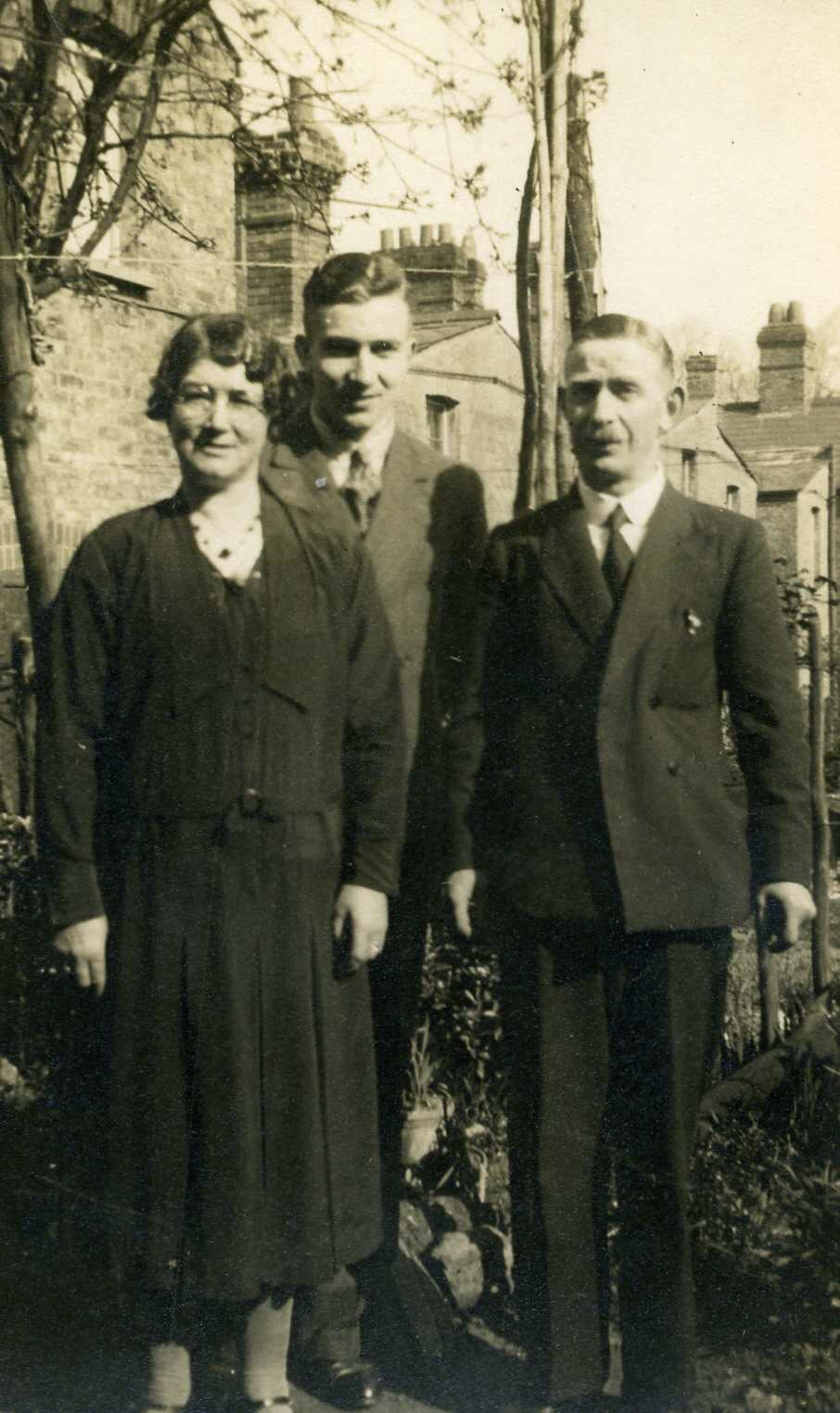
imageHarry in later life with his wife, Jane and son, Edward, who served in World War II

Both Harry and Jack survived the war but, as in so many families, it seems as if their war service and the story of Jack’s life being saved by his pocket watch, was not mentioned in subsequent years, only being rediscovered in recent research. The Marshall brothers grew up on Buckhurst Avenue, as did many other local men who fought in the war, including the Hayward and Hodgson families, who I’ll be writing about in my next post.